
AI first, human in charge. I treat AI as infrastructure: it does the tedious, error-prone work so people can do the judgment work. This page is the short version of what I built, what it runs on, and what I learned.
My 2024-to-date AI journey
I have been waiting my entire career for today. For decades I organized information, built systems and told stories with whatever tools I had. Since 2024 the tools have finally caught up with the way I think. A video archive close to 100 TB, with no reliable way to see what was inside it, became the reason to build better storage, a faster network, careful automation and local AI that reads, sorts and describes footage. The same toolkit now fits any organization sitting on years of accumulated data with a small team.
The ground rules never changed. Originals are never modified. AI suggests, scripts execute, a person approves. Client material stays on hardware I control. Every step leaves a record. And the structure underneath is older than the tools: I drew its outline in 2005.

Video projects
Local AI agents inventory, sort and tag large collections of footage so a search for “aerial, church, autumn” returns clips instead of folders. Footage is fingerprinted and verified before anything is touched. Read how the golden record works.

Video creation
AI-assisted shortlisting takes a mountain of drone and camera clips and surfaces the strongest candidates for a human editor, who makes the creative calls. Faster rough cuts, more time on story. See how I approach drone storytelling.

Massive file store management
A TrueNAS-based archive acts as the master library, with verified copies, checksums and a plan for safe compression that reclaims working space while preserving the raw sources for future editing and production. The archival compression approach.

Hardware and network improvements
Measure first, then upgrade the part that is actually holding you back. Segmented networks, scripted checks and safe, reversible change. Getting the most from the hardware you have and deploying network change faster and safer.
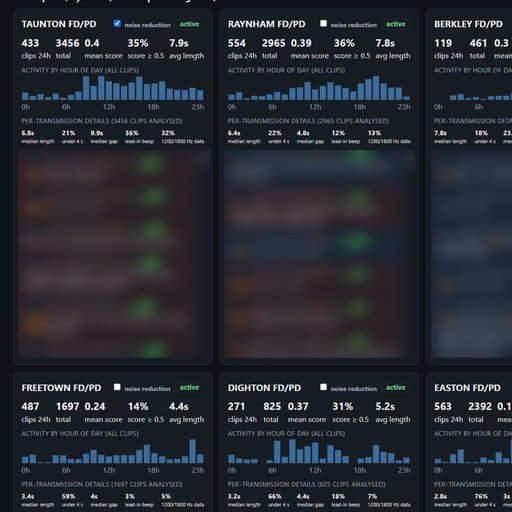
SCAN AI
ScanAI is a live capture and transcription system I built for local public-safety radio traffic. It records each transmission, transcribes it, scores clip quality, tracks activity by town and by hour, and monitors itself with a watchdog so it keeps running unattended. It currently holds more than 15,000 clips from six local towns.
It is a private tool. The live system is at sai.jcody.com, and access is by request only, so please contact me first.
What it means for you
If you are an executive or HR leader weighing AI development and solutions, this is what I can show you: real systems, running every day, built with sensible limits. Messy data made searchable. Slow manual processes made repeatable. And a person still accountable for the outcome.